


Study Duration
Tow academic years
Degree Type
Diploma
Language of Study
Arabic & English
Program Overview
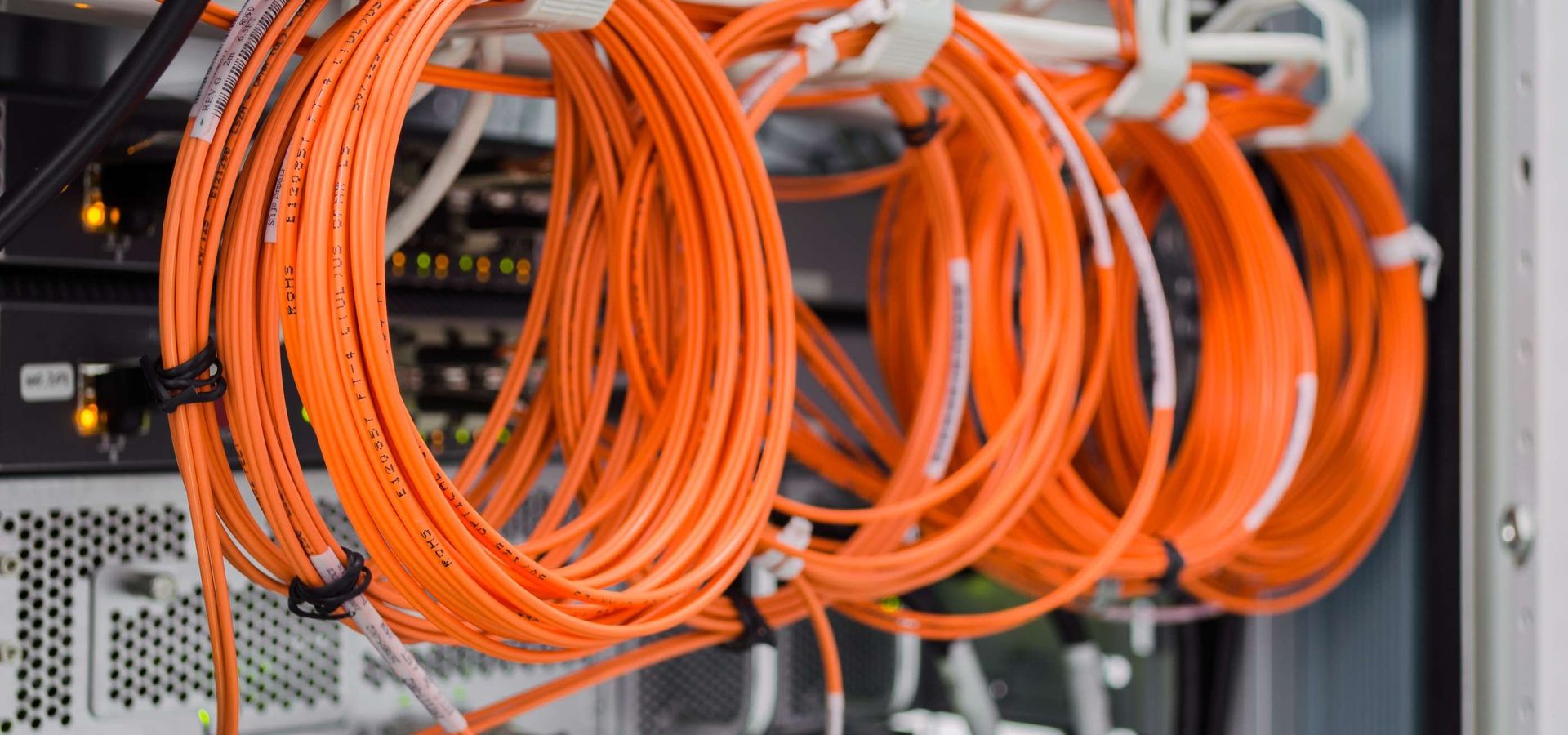
This program is designed to meet the growing demand in the Palestinian labor market for highly qualified technicians with both theoretical and practical expertise in smart communications and fiber optics. It equips graduates with the knowledge and skills necessary to adapt to the evolving requirements of the ICT sector.
Graduate Profile
Graduates of the Smart Communications & Fiber Optics Technology program will be able to:
• Maintain and program mobile devices.
• Install and service microwave technologies and tower antennas.
• Work with smart software applications.
• Interpret and implement copper cable and fiber optic diagrams.
• Troubleshoot technical issues in smart communications and fiber optics.
• Install and design fiber optic home networks.
• Maintain computerized telecommunication networks.
• Apply occupational safety standards in their work.
• Operate smart systems, surveillance, and alarm systems.
• Communicate effectively with clients and promote smart technologies and security solutions.
Graduate Career Fields
Graduates will find employment opportunities in:
• Maintenance and programming of mobile devices.
• Installation and maintenance units of telecommunications companies.
• Smart software companies.
• Governmental, public, and private institutions utilizing smart communications and fiber optics, as well as NGOs active in this field.
• Freelance projects and large-scale initiatives.
• Computerized telecommunication network operations.
• Engineering trade and sales related to telecommunications.
• Smart systems, surveillance, and alarm solutions.
• Fiber optic installation and maintenance for households.
Admission Requirements
General Secondary Education Certificate (All Secondary Education Streams)
Study Plan
Related Programs
 Diploma
 Diploma
Auto-Mechatronics
 Diploma
Cybersecurity technology
Cybersecurity Technology The Cybersecurity Technology program aims to equip students with the integrated knowledge and skills needed to protect computer systems and networks in organizations and institutions against cyber threats. The program focuses on developing graduates’ competencies in several key areas, including: Contributing to the development of institutional security and protection policies. Managing user access and implementing security systems. Conducting penetration testing and identifying network vulnerabilities. Designing and building wired and wireless computer networks. Managing computer networks and user accounts centrally through specialized server operating systems. Writing code for specialized computer applications.