


Study Duration
Tow academic years
Degree Type
Diploma
Language of Study
Arabic & English
Program Overview
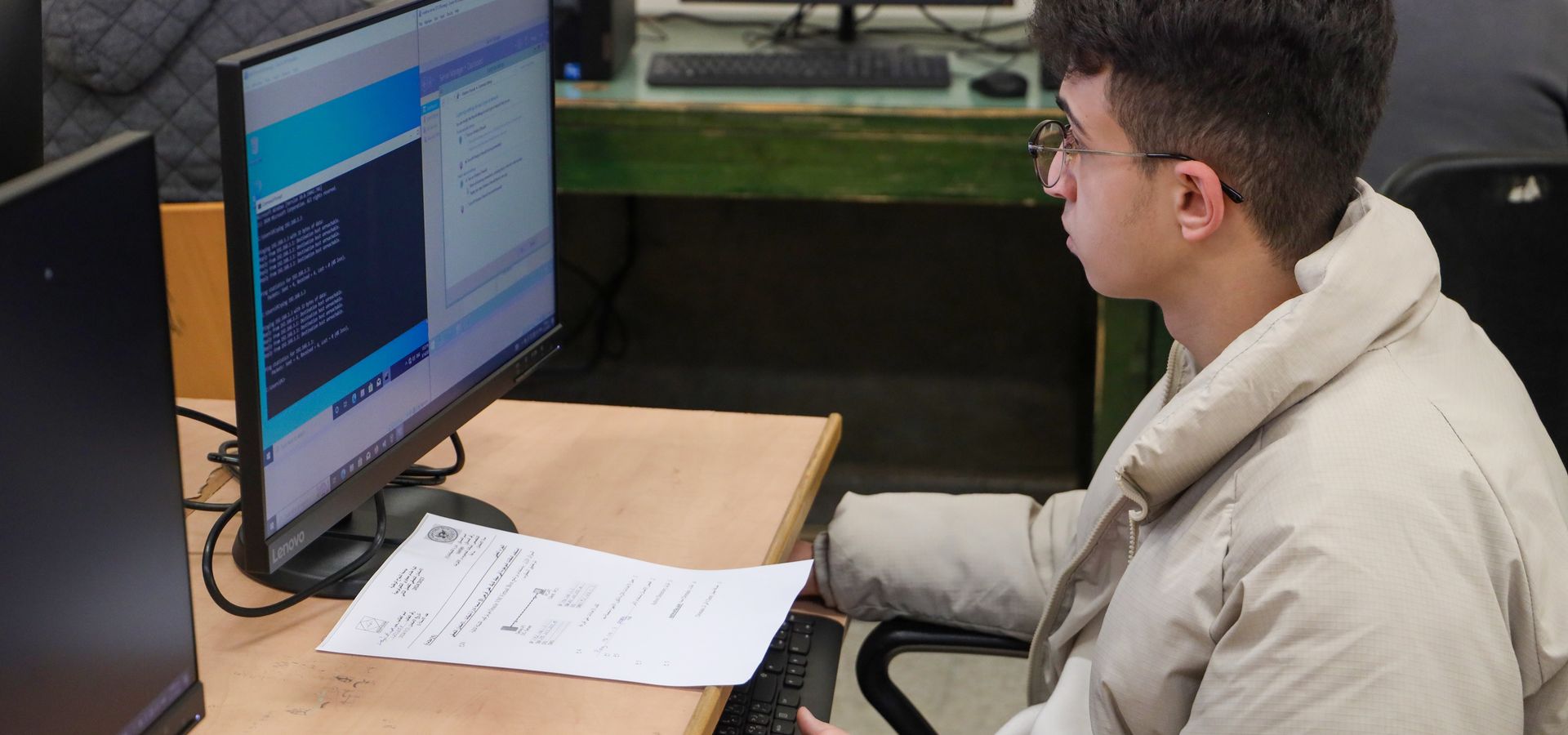
This program is designed to train technicians in computer systems, programming, data exchange, and computer networking. Students gain the practical skills needed to build and manage local area networks (LANs), implement network security policies, and connect local networks to the global Internet.
Hisham Hijjawi College of Technology has earned a distinguished position in the field of computer networking, having been selected as a certified center for teaching international programs such as CISCO and MCITP. The college is home to both the Microsoft Academy and Cisco Academy, with the majority of their students specializing in Computer Networks and the Internet.
Program Duration
Two academic years, totaling 73 credit hours.
Graduate Profile
Graduates of this program will be able to:
• Install and maintain computer networks across various networking topologies.
• Work with wired and wireless networks, including building, upgrading, and maintaining them.
• Administer and secure computer networks while managing different operating systems.
• Design and develop web pages, integrate them with databases, and manage them using programming languages such as Java, HTML, PHP, and others.
Graduate Career Fields
Graduates are qualified to work in:
• Network technician roles in banks, universities, ministries, schools, private sector institutions, and temporary IT projects.
• Network design, development, and maintenance positions across different sectors.
Admission Requirements
General Secondary Education Certificate (All Secondary Education Streams)
Study Plan
Related Programs
 Diploma
 Diploma
Auto-Mechatronics
 Diploma
Cybersecurity technology
Cybersecurity Technology The Cybersecurity Technology program aims to equip students with the integrated knowledge and skills needed to protect computer systems and networks in organizations and institutions against cyber threats. The program focuses on developing graduates’ competencies in several key areas, including: Contributing to the development of institutional security and protection policies. Managing user access and implementing security systems. Conducting penetration testing and identifying network vulnerabilities. Designing and building wired and wireless computer networks. Managing computer networks and user accounts centrally through specialized server operating systems. Writing code for specialized computer applications.